Tools as capabilities
· 2 min read · By ModuleX Team
We tend to think of the tools in our stack as places. You go to your CRM, you open your payments dashboard, you switch to your docs. Each one is a destination, and getting anything done means a tour of tabs.
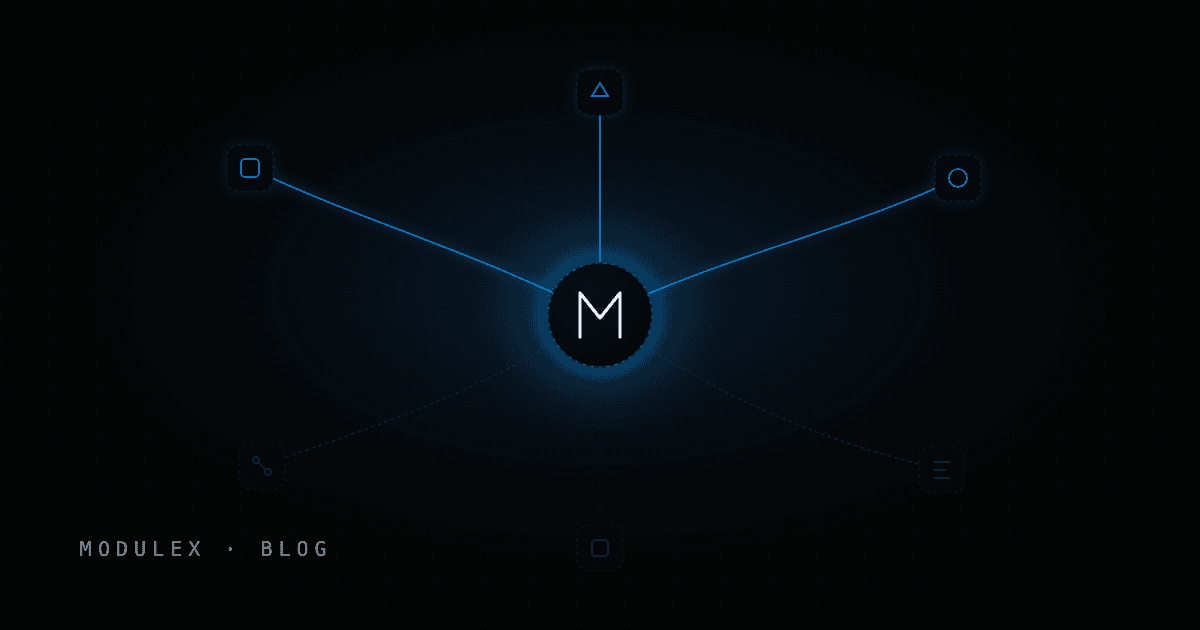
ModuleX treats them as something else: capabilities. An integration isn't a place an agent visits — it's a set of concrete actions it can run on your behalf.
An integration is a verb list, not a logo
Behind every tool in the catalog is its real action surface — the exact operations that tool exposes. Create a payment. Find an invoice. Update a subscription. Open an issue. Each is a named, callable action, and that's the unit an agent actually works with.
This is why "we integrate with X" is almost the wrong phrasing. The useful question isn't does it connect — it's what can it do once connected. So every integration page leads with that: the full list of actions, in the tool's own vocabulary, nothing hidden.
Capabilities compose
The moment tools are capabilities instead of destinations, two things follow.
- An agent can pick the right one. Describe an outcome and it maps your request to the action that produces it — across whichever tool owns that action.
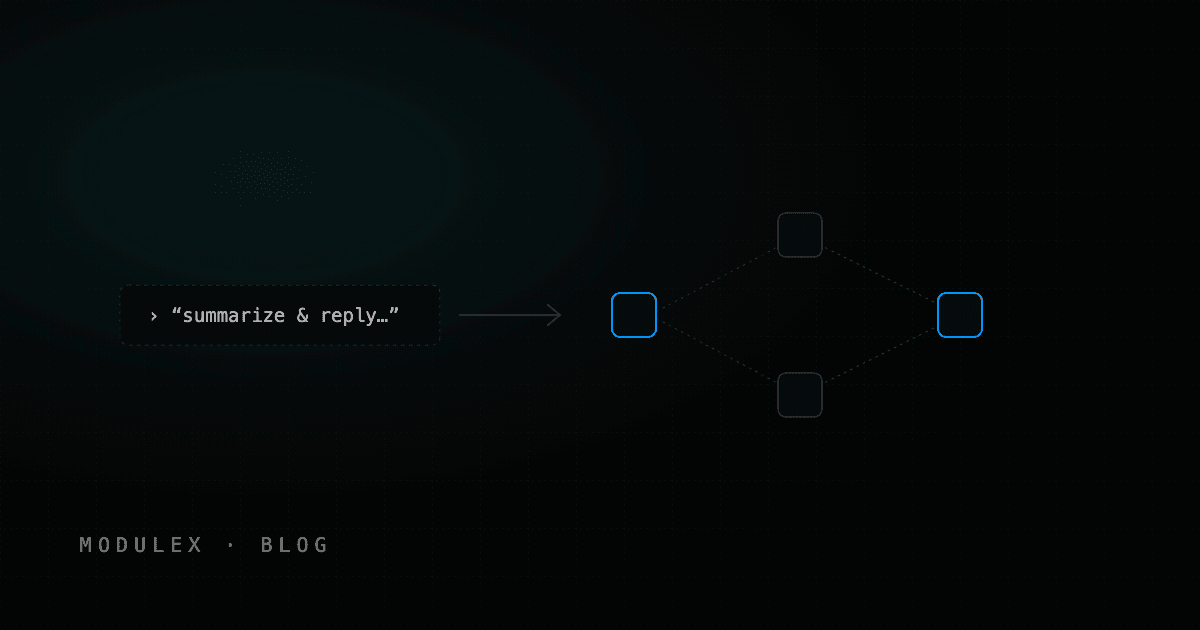
- It can chain several. "Find the right record and update it" isn't two tabs and a copy-paste; it's a finder action and a mutator action, run in order, as one task.
A static integration just sits there waiting to be opened. A capability is something an agent can reach for — and combine.
You bring the tools; ModuleX brings the runtime
None of this replaces your tools. Your CRM is still your CRM. What changes is where the work happens: instead of you operating each tool by hand, an agent operates them through their own actions, with your organization's own credentials, and you get the result.
Connect a tool once. From then on it's not a tab you visit — it's a thing your agent can do.